May Is Won in September. But Not the Way You Think.
What if the most important thing you establish at the beginning of the school year isn’t another system, but a different way of being inside the system?
Every August, something beautiful and exhausting happens in education.
We come back with notebooks full of ideas, calendars packed with professional development, new frameworks we can’t wait to try, and hearts full of genuine, real, beautiful hope.
We’ve been to multiple trainings. We’ve read the research. We’ve had conversations with other educators and leaders. We’ve spent at least some part of the summer thinking about what worked last year, what didn’t, and what we want to do differently.
And suddenly we can see it.
The systems we need to build.
The conversations we need to have.
The schedules we need to change.
The culture we want to create.
The twenty things that could make this year better.
And because we care so deeply, we want to do all of it.
Right now.
Before the first bell rings.
I’ve watched this happen in school after school for years. And I love educators for it. I really do.
Because underneath all of that doing is something beautiful:
We care.
We want our schools to feel better for teachers.
We want children to thrive.
We want our teams to trust one another.
We want to learn from last year and create something even better this year.
There is so much hope inside that energy.
But there can also be something else hiding inside it.
And learning to tell the difference may be one of the most important leadership practices we have.
When Excitement and Fear Feel Exactly the Same
Recently, I was coaching a leader whose network had invested in a genuinely excellent instructional coaching program.
It was comprehensive and thoughtfully designed. There were model videos, scripts, coaching structures, professional development resources—all kinds of really good stuff.
Her school leaders were excited.
Like, really excited.
And suddenly she was sitting with approximately twenty systems they wanted to get in place before school started.
In two meetings.
The logic made perfect sense:
We’re going to need these things eventually anyway, so why wouldn’t we get them all in place now?
And honestly?
I understand it.
Educators know something instinctively:
May is won in September.
What we establish early matters.
The expectations we clarify matter.
The rhythms we create matter.
The systems we build matter.
But there were two different things happening underneath the urgency.
The first was excitement.
Look at what is possible.
The second was fear.
We can’t let this year become last year.
And here’s the tricky part:
Excitement and fear can feel remarkably similar in the nervous system.
Both can create urgency.
Both can tell us to move faster.
Both can convince us that everything needs to happen now.
So one of the most powerful questions we can ask ourselves as we begin a new school year is:
What is actually driving me right now?
Is this coming from possibility?
Or am I trying to outrun something?
Am I building intentionally?
Or am I trying to make sure nothing goes wrong?
Am I responding to what my people actually need?
Or am I reacting to everything I wish had gone differently last year?
There is no shame in the answer.
This isn’t another thing to get right.
It’s simply an invitation to notice.
Because when we don’t notice what is driving us, urgency starts making our decisions for us.
The Not-Enough Story Hiding Inside Our To-Do Lists
Education has conditioned a lot of us to live inside a constant equation of not enough.
Not enough time.
Not enough staff.
Not enough funding.
Not enough support.
Not enough planning.
Not enough intervention.
Not enough progress.
And eventually, without realizing it, the external story of there isn’t enough can become an internal story of:
I’m not doing enough.
That is the part I want us to pay attention to.
Because we can change the schedule.
We can adopt a new curriculum.
We can implement a coaching framework.
We can create a beautiful strategic plan.
But if the humans implementing all of it are still operating from I’m behind, I’m failing, I should be doing more, we haven’t actually transformed the culture.
We’ve just given overwhelmed people a better-organized list of things to be overwhelmed by.
And educators deserve better than that.
Before We Fix Anything, Can We Celebrate What Is Already Here?
This is where I often interrupt the coaching conversation.
Before we talk about priorities or implementation or what needs to change, I want us to notice something.
What a gift.
Seriously.
Look around your school.
You are surrounded by humans who care so much about children that they’re willing to spend August talking about how to become better at serving them.
People who keep learning.
People who keep showing up.
People who keep trying again after really hard years.
People who still believe education can be better.
Before we rush toward everything that needs fixing, can we allow ourselves to see everything that is already working?
The teacher who notices the child having a hard morning.
The administrator who stays five extra minutes because someone needs to talk.
The paraeducator who knows exactly which student needs a little humor today.
The colleague who quietly brings someone coffee.
The principal who walks into a classroom and sits beside a struggling kid for a minute.
The laughter coming from the staff room.
The shoulder squeeze in the hallway.
The tiny moments when one human communicates to another:
I see you.
You matter.
I’m glad you’re here.
Those things don’t show up on strategic plans.
But they are culture.
And they are already happening.
That matters because celebration isn’t something we earn after everything goes according to plan.
Celebration is a practice of noticing what is already enough while we continue building what comes next.
The Sticky Note Test
Here’s a simple experiment.
Imagine waking up tomorrow with twelve things on your to-do list.
You work hard all day.
You accomplish eight of them.
Eight meaningful things.
But four are still sitting there.
How do you feel?
If you’re like many educators I coach, your brain barely registers the eight.
It goes directly to the four.
I didn’t get enough done.
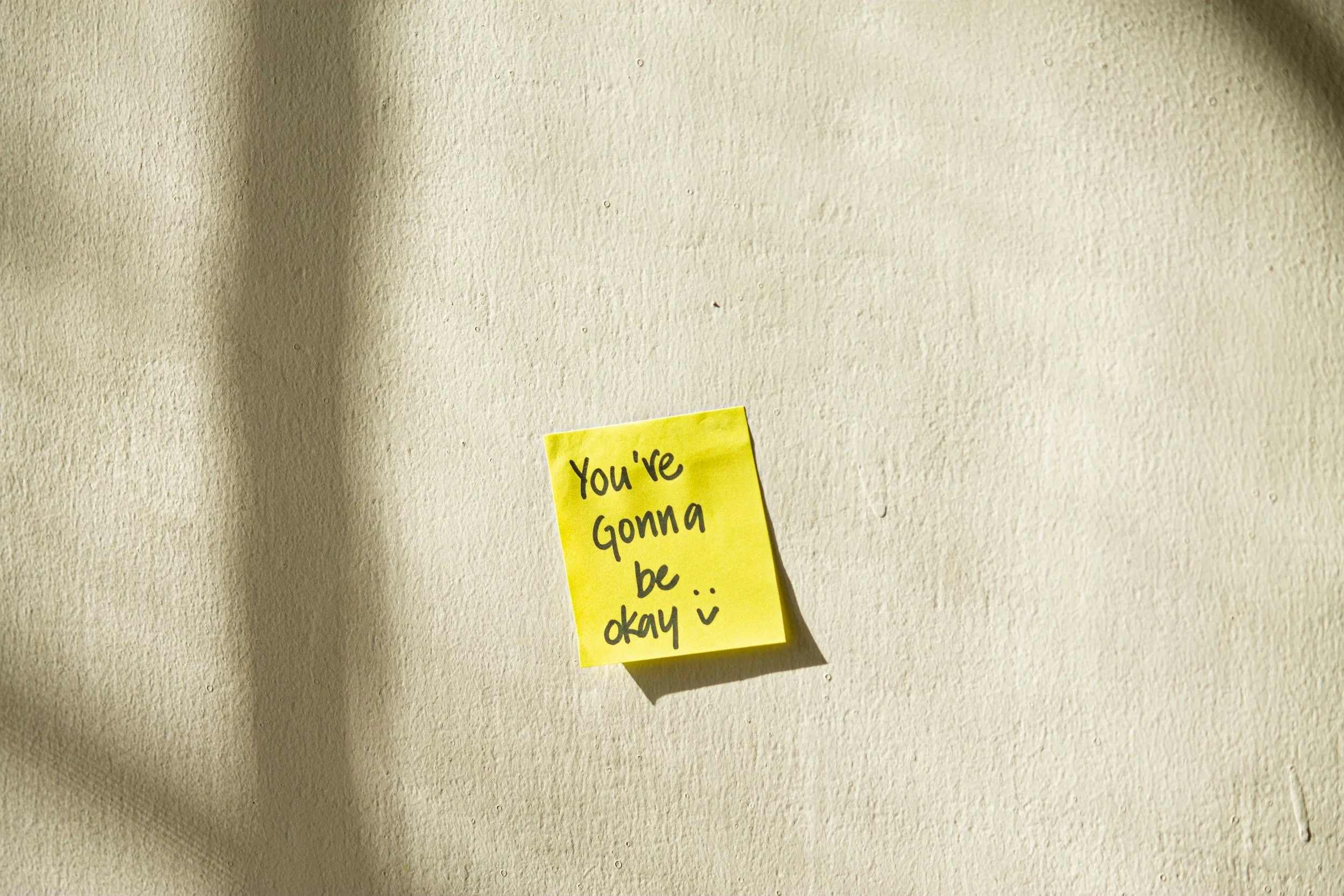
Now imagine waking up with one thing on your sticky note.
One clear, meaningful priority.
You finish it.
At the end of the day, instead of immediately moving the finish line, you pause long enough to say:
I did what mattered today.
Feel the difference?
This isn’t a productivity hack.
It’s a culture practice.
Because the energy we lead from is the energy we teach.
If leaders constantly communicate more, faster, next, not enough yet, eventually the people around them begin operating that way too.
Teachers feel it.
Teams feel it.
And eventually students feel it.
We can tell people to take care of themselves.
We can talk about wellbeing.
We can encourage work-life balance.
We can put beautiful language about belonging and psychological safety into our strategic plans.
But our people are learning far more from watching how we live than from listening to what we say.
If I tell you that you are enough while constantly behaving as though I am not, what am I actually teaching you?
Maybe May Really Is Won in September
I still believe May is won in September.
I just don’t think it’s won the way we often think it is.
It’s not won because you successfully implement twenty systems before Labor Day.
It’s not won during the retreat.
It’s not won in the perfectly designed professional development day.
It’s not won because every expectation has been documented, every meeting has been scheduled, and every initiative has been launched.
May is won in September because September teaches people what it is going to feel like to be here.
Will we operate from urgency or intention?
Will we prioritize everything or choose what actually matters?
Will people feel that their worth is tied to how much they produce?
Or will they experience themselves as valued humans who are part of something meaningful?
Will mistakes become evidence that something is wrong?
Or information that helps us learn?
Will we constantly point toward the gap?
Or will we also notice how far we’ve already come?
Those choices happen in micro-moments.
And then they happen again tomorrow.
And the next day.
And the next.
That is how culture gets built.
Culture Is Won in the Micro-Moments
Culture isn’t something we launch.
It’s something we practice.
It lives in the five minutes before the meeting starts.
It’s in the way you respond when someone misses a deadline.
It’s in whether you look up from your laptop when someone walks into your office.
It’s in the way you speak about the teacher who isn’t in the room.
It’s in whether you ask, “What do you need?” before offering another solution.
It’s in whether someone feels safe enough to say, “I don’t know.”
It’s in the laughter.
The eye contact.
The hallway conversations.
The repair after a hard moment.
The decision to stop a meeting ten minutes early because everyone’s brains are done.
The moment a leader says:
“That’s enough for today. We’ll pick it up tomorrow.”
These moments can look insignificant.
They’re not.
The systems help hold the school together. The micro-moments determine what it feels like to be held inside it.
And that is the culture your people will remember in May.
So What Do We Actually Do?
As you begin this school year, I want to offer a simple rhythm.
Not another framework to implement.
Just four practices to come back to when everything starts feeling urgent.
1. Celebrate what is already here.
Before asking What needs to change?, ask:
What’s already beautiful here that we don’t want to miss?
Name the strengths.
Name the people.
Name the moments.
Name what your team survived, learned and built last year.
Start from enoughness.
2. Choose what matters now.
You may have twenty important things.
That doesn’t mean all twenty are important today.
Ask:
If we did one or two things really well right now, what would create the greatest sense of clarity, trust or steadiness for our people?
Put those things on the sticky note.
Let the rest wait.
Not forever.
Just for its right time.
3. Pay attention to the micro-moments.
At the end of the day, don’t only ask:
What did I accomplish?
Ask:
How did people experience me today?
Did I create more urgency or more steadiness?
Did someone feel seen because I was here?
Did my choices communicate scarcity or sufficiency?
Did I model the culture I say I want?
This is leadership work.
4. Trust right rhythm.
Everything doesn’t have to happen today to eventually happen.
Read that again.
Everything doesn’t have to happen today to eventually happen.
There is a right rhythm for growth.
There is a right rhythm for change.
There is a right rhythm for humans.
We can build extraordinary schools without exhausting the people building them.
In fact, I believe that’s the only way extraordinary schools become sustainable.
Your One Sticky Note
So here’s my invitation as you head into this school year.
Take out a sticky note.
Not the giant planning document.
Not your strategic plan.
Not the list living in your head at 2:00 a.m.
One sticky note.
And write down the one thing that matters most right now.
Then do that thing well.
And when you finish it, don’t immediately move the finish line.
Pause.
Notice it.
Celebrate it.
Let yourself experience the feeling of enough before deciding what comes next.
Tomorrow, you get to wake up and do the next cool thing.
And then another.
And another.
Not from panic.
Not from scarcity.
Not because you have to fix everything before it’s too late.
But because you get to keep building something beautiful with a group of humans who care deeply about children and about one another.
That’s the work.
That’s the culture.
That’s how we change education.
Not through one perfect August.
But through thousands of intentional micro-moments between now and May.
May is won in September.
Not because we did everything.
Because we decided how we wanted to be while doing what matters.
Come back to yourself.
Choose what matters.
Trust the rhythm.
And lead from there.
One question to carry with you
Before you add another thing to your team’s plate this year, ask:
Are we doing this because it is truly what our people need right now—or because something in us is afraid that what we’re already doing isn’t enough?
Then listen to the answer.
Because sometimes the most transformative thing a leader can give their school isn’t another initiative.
It’s permission to believe:
What we’re doing matters.
What we have is worth building on.
And we have enough time to build what comes next, together.
If this landed somewhere real for you, I’d love to know:
What’s on your one sticky note right now?
And if you’re ready to go deeper into this work—learning how to create cultures where educators feel seen, valued, supported and equipped to lead wellbeing from the inside out—this is exactly the work we explore in the Culture & Wellbeing Coach Certification (CWCC).
We invite you to join our next Cohort.
Because when we change what it feels like to be an educator, we change what’s possible for the students they serve.