If you’re an educator who feels exhausted in a way that sleep doesn’t fix…
If your patience feels thinner than it used to, even though your care hasn’t gone anywhere…
If you’ve started wondering whether something is wrong with you—
I want to begin by saying this clearly:
You are not broken.
What you’re experiencing is not a personal failure, a lack of resilience, or proof that you “can’t handle it anymore.”
It’s your nervous system doing exactly what it was designed to do—protect you—under conditions that have become chronically demanding, emotionally loaded, and unsustainable.
And that distinction matters more than you’ve been told.
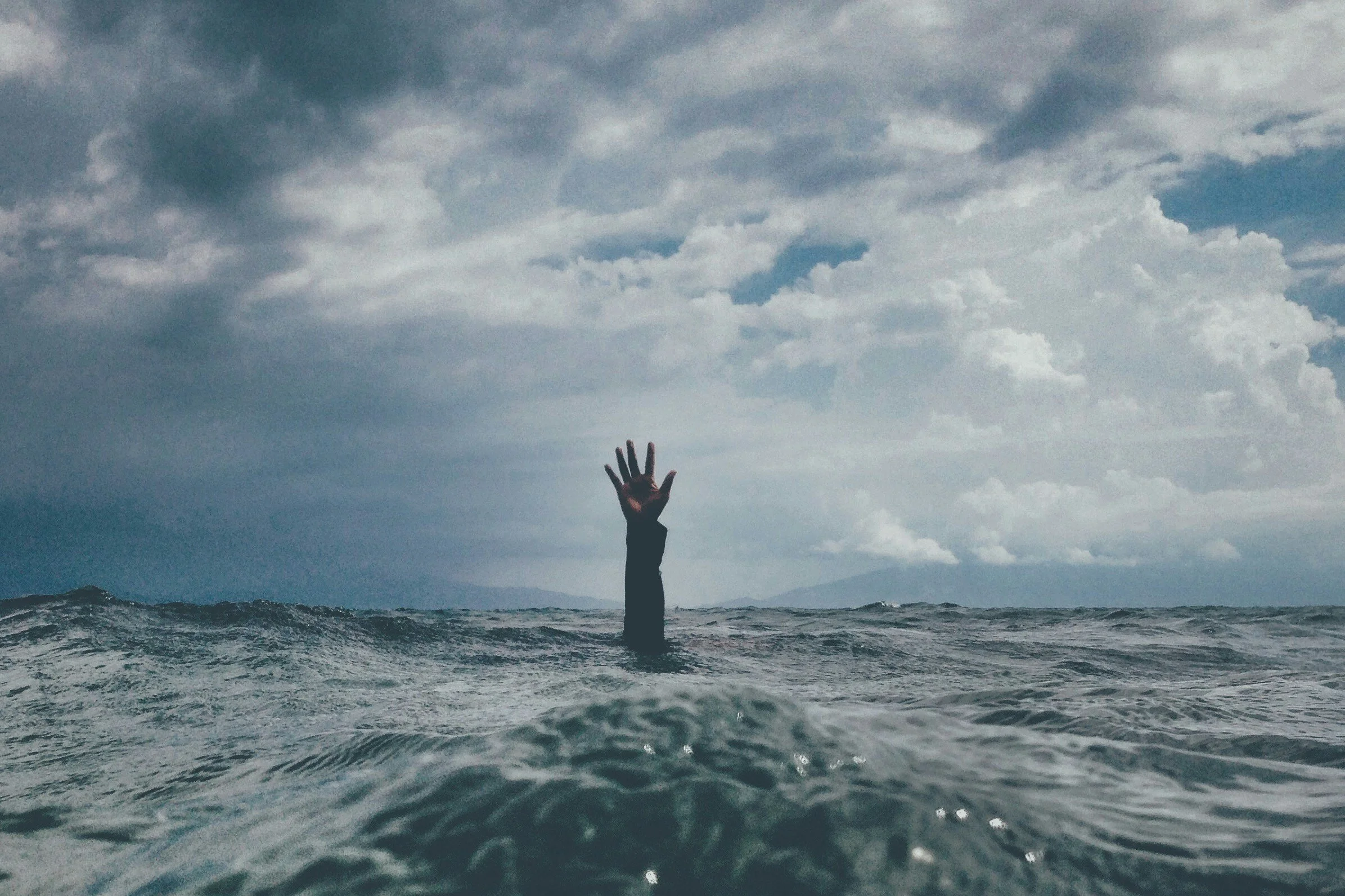
Burnout Isn’t a Character Flaw — It’s a Nervous System Response
Most educators I work with don’t feel burned out because they don’t care.
They feel burned out because they care deeply—while operating inside systems that require constant vigilance, emotional regulation, rapid decision-making, and responsibility without adequate recovery.
Your nervous system was never meant to live in a near-constant state of alert.
Yet in education today, many educators are:
Monitoring behavior, emotions, safety, and learning all at once
Absorbing students’ stress, trauma, and unmet needs
Navigating changing expectations, limited resources, and public scrutiny
Rarely given time to fully exhale before the next demand arrives
When this becomes the norm, your body adapts.
Not by thriving—but by surviving.
What Chronic Nervous System Overload Looks Like
When your nervous system is under prolonged strain, it may show up as:
Persistent exhaustion, even after rest
Feeling “on edge” or emotionally flat
Difficulty concentrating or making decisions
Increased irritability or withdrawal
A sense that you’re always behind, no matter how much you do
None of this means you’re failing.
It means your system has been doing too much for too long without enough safety or recovery.
And no amount of willpower can override biology.
Why Self-Care Hasn’t Been Enough
Many educators have been offered well-intentioned advice:
Take better care of yourself
Practice mindfulness
Try a new routine
Be more resilient
But here’s the truth most people won’t name:
Self-care can’t fix a nervous system that never feels safe enough to stand down.
Burnout recovery doesn’t begin with doing more.
It begins with regulation.
With moments—small, consistent moments—where your system receives the message:
You are not in danger right now.
You don’t have to hold everything alone.
It’s okay to soften.
Pause here for just a moment.
Take one slow breath in through your nose…
and a longer breath out through your mouth.
If your shoulders dropped even slightly, or your breath deepened without effort, that wasn’t motivation.
That was your nervous system responding to safety.
That’s important.
This Is Why You’re Not “Losing Your Passion”
Many educators fear that burnout means they’re falling out of love with teaching.
In reality, what’s often happening is this:
Your nervous system is conserving energy.
When systems don’t change and support doesn’t arrive, your body finds ways to keep you going—sometimes by numbing, withdrawing, or narrowing focus.
That’s not quitting.
That’s self-preservation.
And it’s reversible.
You Don’t Have to Leave Education to Feel Whole Again
One of the most painful myths educators carry is the belief that the only way to feel like yourself again is to leave the profession entirely.
While some people do choose that path—and it can be right for them—it is not the only option.
Healing doesn’t require abandoning your calling.
It requires real support, pacing, and practices that honor how humans are actually wired.
It requires spaces where you’re not asked to perform wellness—but are allowed to experience it.
What Helps an Overloaded Nervous System Recover
Recovery doesn’t come from intensity or pressure.
It comes from:
Feeling seen without being fixed
Being understood without being evaluated
Learning how to work with your nervous system instead of against it
Being in community where you’re not the only one feeling this way
This is why isolation makes burnout worse—and why belonging is not a “nice to have,” but a biological need.
You Don’t Have to Hold This Alone
If something in your body softened while reading this, that’s a signal—not to push—but to receive.
The Human Circle Playground is a free, gentle space created specifically for educators who are tired of carrying it all quietly.
It’s a place to:
Pause without pressure
Ground without performing
Be reminded that you are not alone in this experience
You don’t need to be ready for change.
You don’t need to have clarity.
You don’t need to explain yourself.
You’re welcome exactly as you are.
And If You’re Ready for Deeper Support
Burnout To Bliss is a 90-day, nervous-system-safe reset designed for educators who want support that actually honors their humanity.
Not a fix.
Not a hustle.
Not another thing to keep up with.
Just a steady, compassionate path back to inner alignment—together.
If this post helped you breathe a little easier, consider sharing it with a colleague who might need the same reminder:
You’re not broken.
Your nervous system has been doing too much for too long.
And support is available.
You matter first.
Honor your inner alignment.